
Choosing the Right Interior Designer in Toronto: What Truly Matters
Beyond Aesthetics: Choosing the Right Interior Designer for your Toronto Home
In a city like Toronto — where historic homes, mid-century properties, and contemporary condominiums coexist — choosing the right interior designer requires more than admiring beautiful images. A successful design requires trust, process, and thoughtful execution.
For busy professionals and families balancing full lives and ambitious projects, the decision often comes down to one question:
Who can guide us calmly and confidently from concept to completion?
Here is what truly matters.
Understand the Scope of Service
Not all designers offer the same level of involvement.
Some provide styling advice or sourcing support. Others offer full-service interior design — encompassing concept development, detailed drawings and documentation, material selection, contractor collaboration, project management, and final installation.
If you are planning a renovation or significant redesign — particularly within Toronto’s older housing stock — ask:
Will detailed drawings be provided?
How does the designer collaborate with contractors and trades?
Who takes care of purchasing?
What does their process look like from start to finish?
Who will oversee implementation?
A well-structured, phased process prevents budget creep, miscommunication, and decision fatigue. It replaces uncertainty with clarity — and transforms what could be a stressful experience into an organized, creative journey.
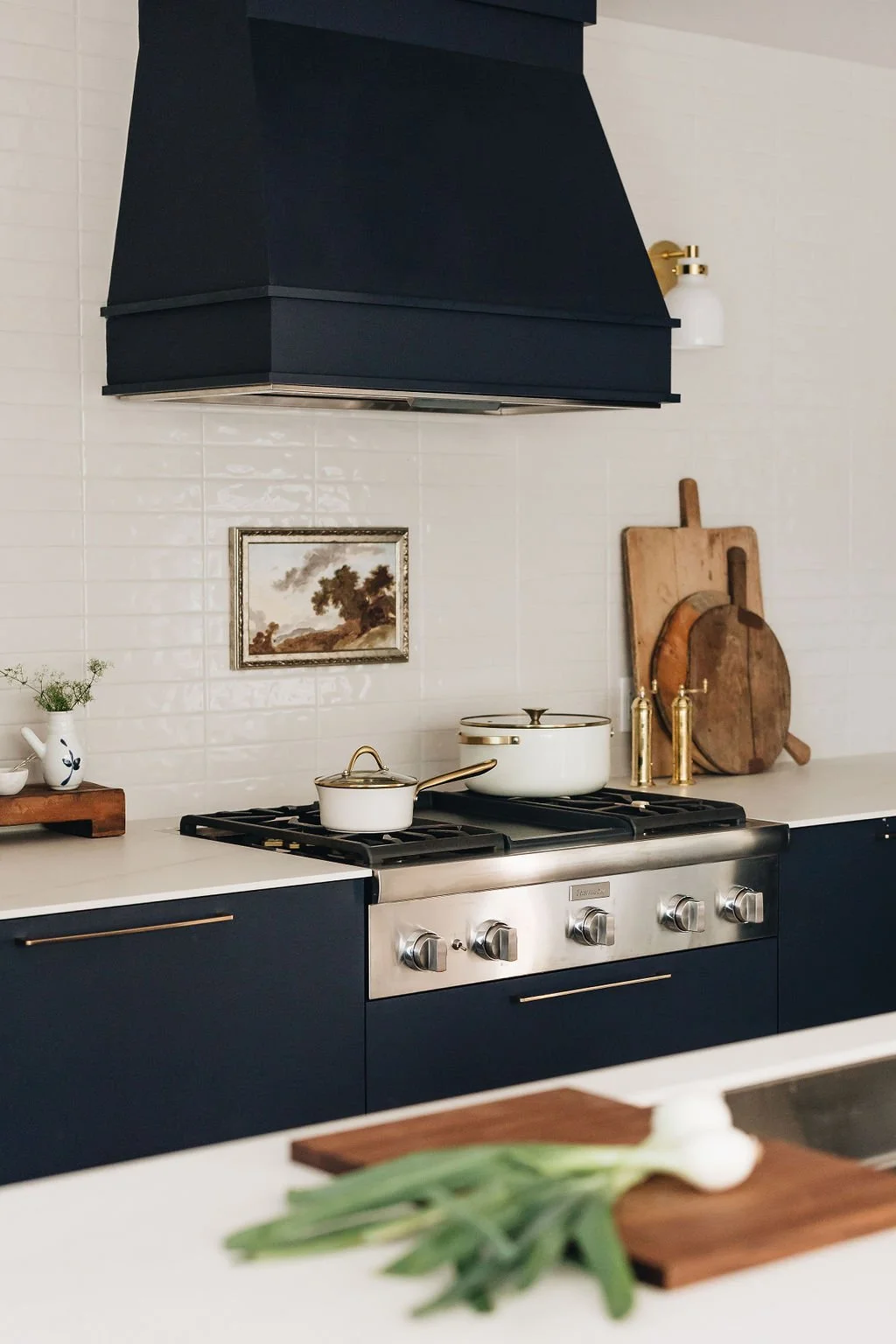
Look for Depth — Not Just Style
A designer’s aesthetic matters. But depth matters more.
A strong portfolio may include completed photography, conceptual renderings, and technical drawings. Each serves a purpose:
Renderings articulate vision.
Drawings demonstrate technical fluency.
Completed projects reveal how ideas translate into lived reality.
When reviewing a designer’s work, look for evidence of thoughtful space planning, material integrity, proportion, and cohesion — not just trend-forward furnishings.
Ask yourself:
Does this feel layered, considered, and enduring?
Enduring design is not about replicating an image. It is about interpreting a home’s architecture, its light, its context within the city, and the client’s lifestyle to create something personal and lasting.
Consider Experience With Your Type of Home
Every home presents its own opportunities and complexities.
Historic and character properties — so prevalent throughout Toronto’s established neighbourhoods — require sensitivity. Updating a century-old Georgian residence or refining a mid-century home is not simply a matter of replacing finishes. It involves understanding scale, millwork profiles, architectural rhythm, and how modern amenities can integrate without diminishing character.
Sensitive modernization means:
Preserving defining features
Enhancing architectural lines
Improving flow and functionality
Introducing contemporary elements that feel intentional rather than imposed
The right designer will know when to restore, when to reinterpret, and when to introduce contrast — achieving a result that feels quietly elevated rather than overtly redesigned.
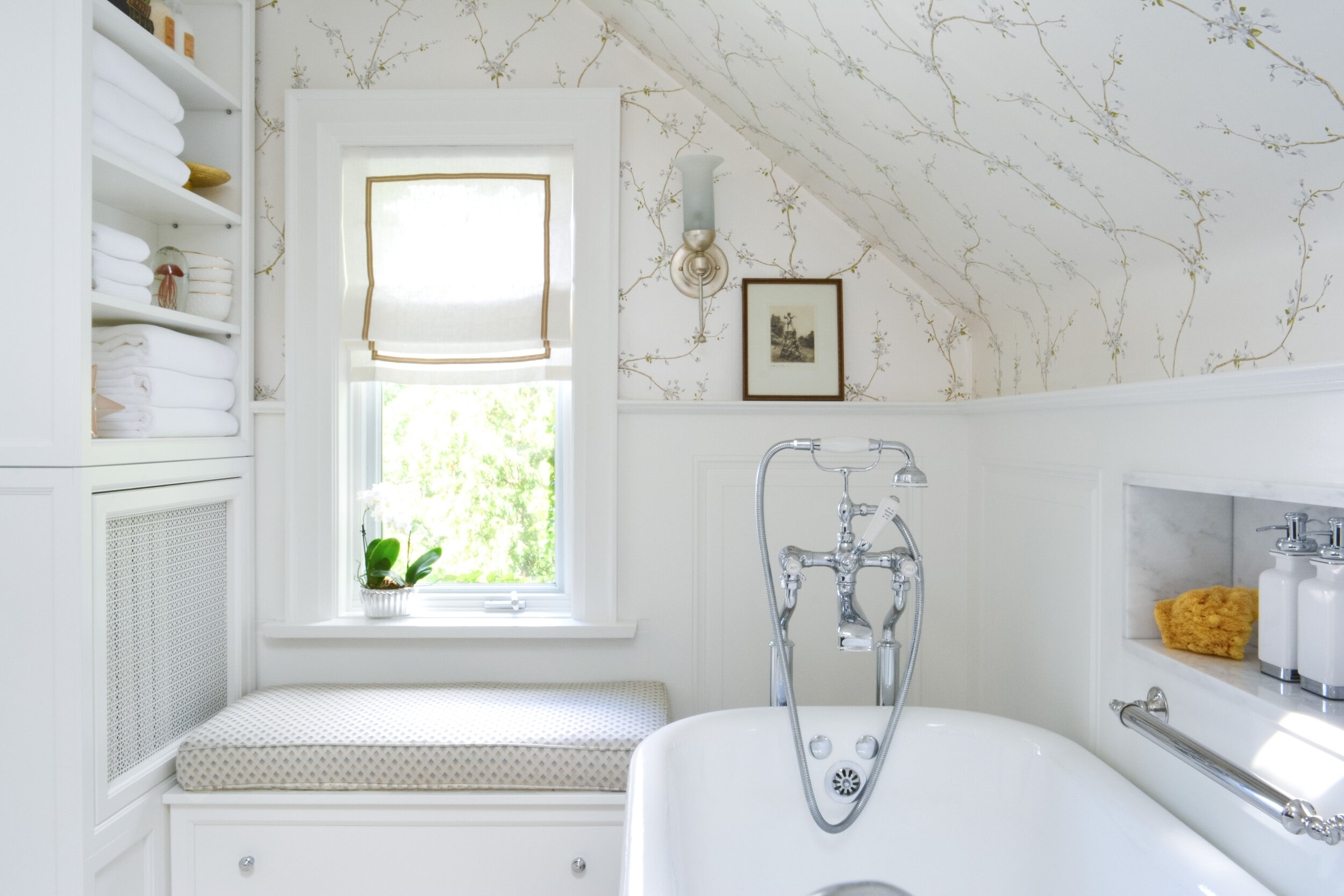
Ask About Process — It Reveals Everything
A refined interior is rarely accidental.
Behind every cohesive renovation is a disciplined process that anticipates challenges before they arise — particularly in older homes where existing conditions often require thoughtful adaptation. Adjusting drawings to accommodate original architecture. Coordinating multiple trades seamlessly. Responding swiftly and calmly when unexpected issues surface.
Ask a prospective designer:
How do you structure a renovation?
How do you prevent delays?
How do you manage communication?
What safeguards are in place for budget control?
Experience is often most visible in how smoothly a project progresses.
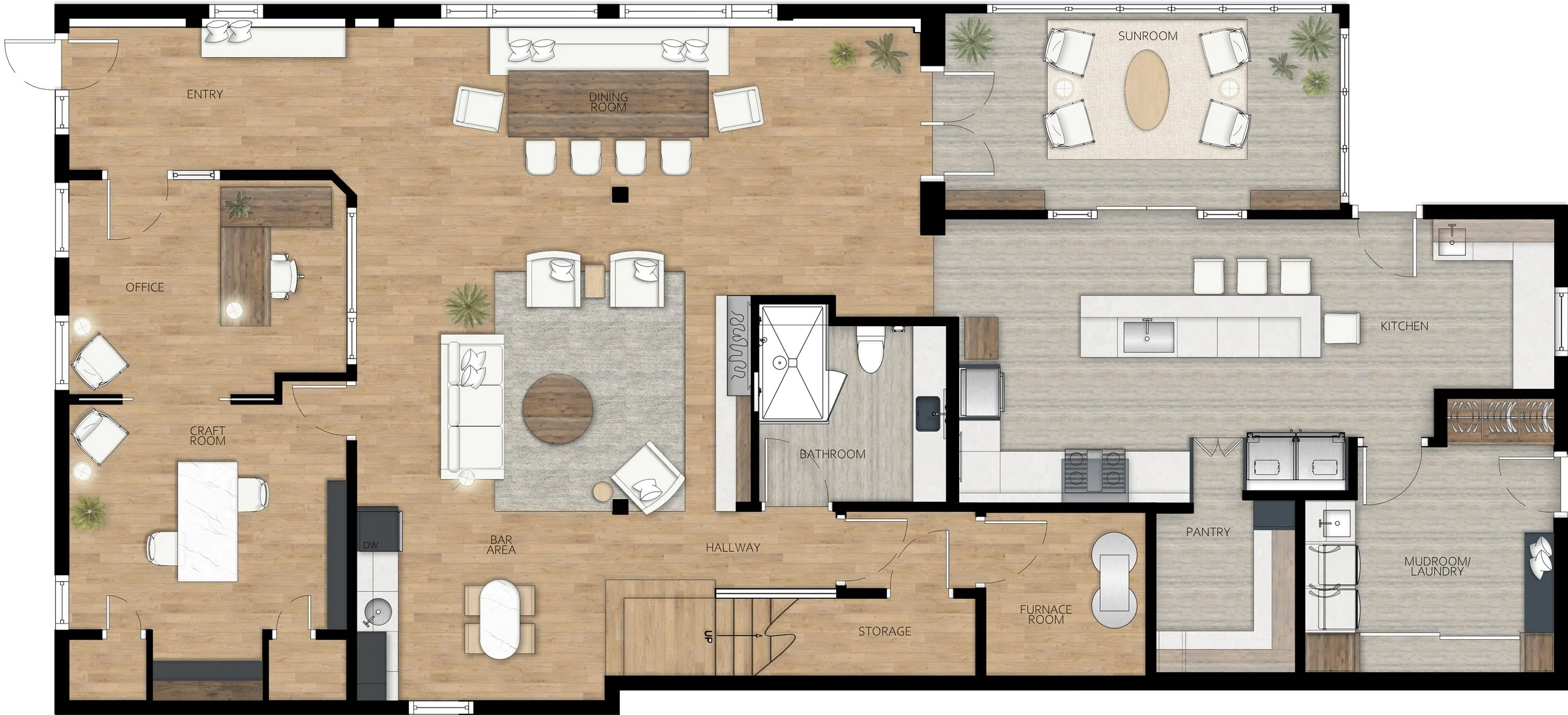
Look for a Philosophy That Aligns With Yours
Some clients want a quick list of furnishings. Others want a tailored, fully managed transformation.
If you are seeking custom solutions — cabinetry designed for your lifestyle, concealed functionality, ergonomically scaled furniture, carefully considered millwork profiles, and thoughtfully resolved material transitions — you will benefit from a designer who approaches each project as a cohesive whole.
Understated luxury, in this context, is not about flashy brands or trend-driven statements. It is about:
Quality materials that age beautifully
Thoughtful detailing and proportion
Bespoke solutions that feel effortless
Comfort integrated seamlessly within refined surroundings
The quality and intention speak quietly for themselves.
The right designer’s philosophy should resonate with how you want to live — not just how you want a room to look.
A Brief Case Study — A Riverside Landmark Reimagined
One recent project involved the renovation of a landmark riverside property with a rich history as a gathering place — once an inn, a retail store, a social hub.
Rather than erase its past, we drew inspiration from its setting and story. The colour palette echoed the surrounding landscape. Materials were selected for their authenticity and longevity. Architectural elements were honoured and, where necessary, thoughtfully reintroduced.
Modern amenities were integrated seamlessly — not as interruptions, but as natural evolutions.
The result was a home that felt both renewed and rooted. Contemporary, yet unmistakably connected to its history.
That balance is rarely achieved through surface decisions alone. It requires vision, documentation, and disciplined execution.
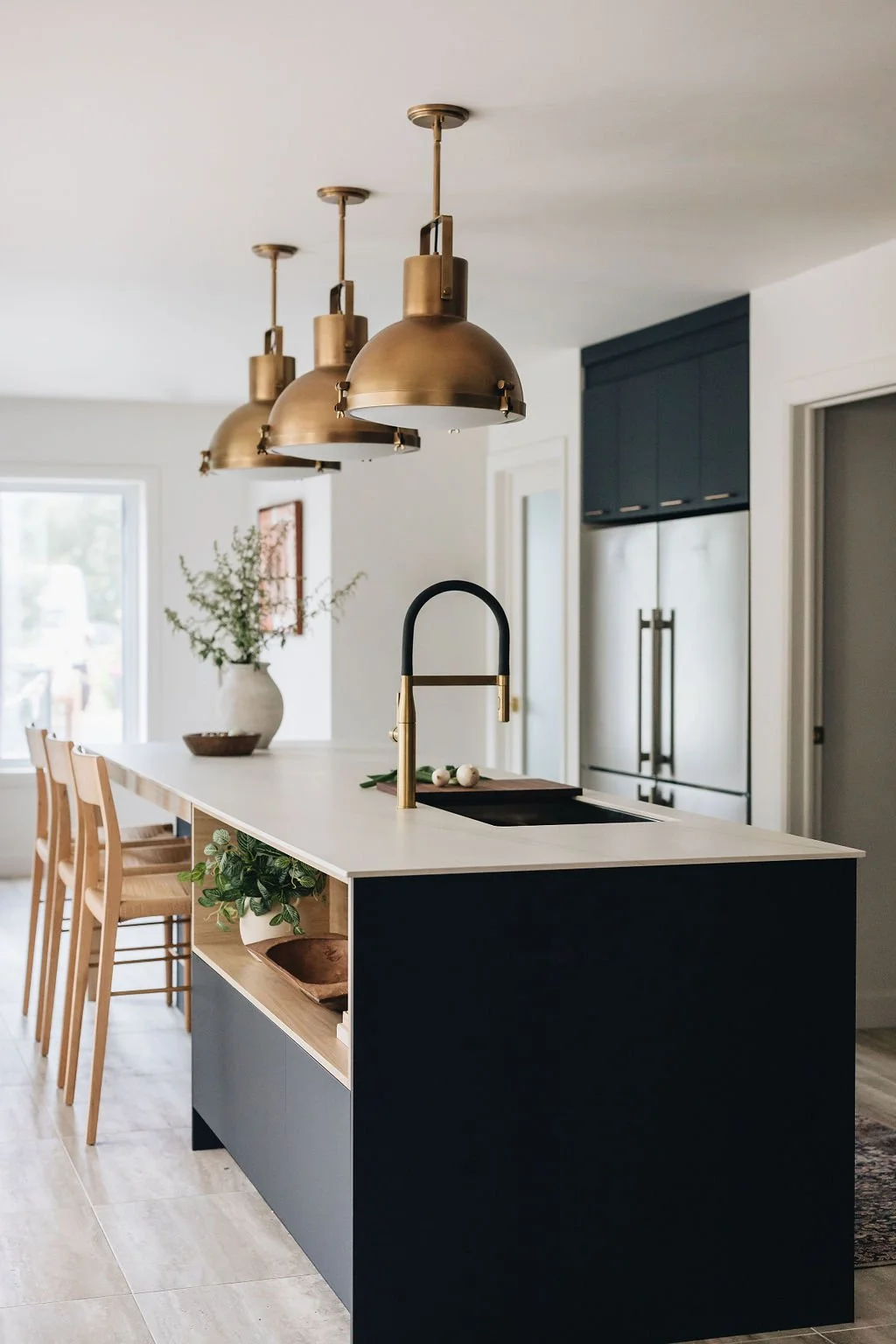
Pay Attention to How You Feel
The right interior designer should bring relief.
Relief from:
Endless showroom visits across a busy city
Overwhelming decisions
Contractor coordination
Uncertainty about what comes next
You should feel guided — not rushed. Heard — not overridden. Confident — not confused.
For many professionals and families, the greatest value of full-service interior design is not only the final result, but the clarity and calm experienced along the way.
Choosing Well
Selecting an interior designer in Toronto is not simply about taste. It is about trust, communication, experience, and the ability to transform complexity into cohesion.
When you choose thoughtfully, the outcome is more than a beautiful space. It is a home that reflects your history, supports your lifestyle, and feels distinctly yours.
And that is where true design begins.
If you are considering a renovation or full-home transformation in Toronto and would value a thoughtful, full-service approach, we invite you to explore our design services and process in greater detail.
Our studio specializes in guiding clients from concept through completion — creating cohesive interiors that balance architectural integrity with modern comfort.